Ready to Redefine What Divorce Looks Like?
Let’s talk about how to move forward without the fight.
Book Your Free Call Attend Our Divorce Webinar
Author : 
Divorcing someone who thrives on conflict or exhibits narcissistic behavior can feel impossible to do peacefully—but it isn’t always. While you can’t control your spouse’s behavior, you can design a strategy around what motivates them. In some cases, even high-conflict personalities can be guided toward a low-conflict divorce if the process is framed to align with their self-interest.
High-conflict people and narcissists are not all alike. Some are motivated by money, others by image or control. The key to approaching an amicable divorce is identifying what matters to your spouse—and working with an experienced attorney to shape the process around that insight.
Financial self-interest: If your spouse is cost-conscious, they may prefer to avoid costly litigation once they understand the expense.
Public image: Narcissists often care deeply about how they are perceived. The idea of their private behavior becoming part of the public record may be a powerful deterrent to courtroom battles.
Control and power dynamics: Some high-conflict individuals will resist cooperation simply to maintain dominance. These cases may require clear boundaries and firm legal action.
The language used in negotiation can make a major difference. A skilled divorce attorney can frame proposals in a way that:
Appears to give the other person “a win” while protecting your core interests
Minimizes ego threats or public embarrassment
Emphasizes efficiency, privacy, and finality
In many cases, keeping communications professional, emotionally neutral, and legally sound will avoid triggering defensive or combative responses.
If your spouse is driven by image or money, it may be possible to settle outside of court with the right support. At Atlanta Holistic Family Law, our amicable divorce services are designed to guide clients through low-conflict resolutions—even when the other party presents challenges.
This doesn’t mean sacrificing advocacy. It means leading with emotional intelligence and clear strategy—without letting the process be hijacked by drama.
Not all high-conflict individuals can be reasoned with. If your spouse is intent on using the legal system as a weapon—spending recklessly, delaying proceedings, or causing harm—then amicable solutions may no longer be possible. In those cases, a strong courtroom advocate becomes essential.
Even then, your attorney can help you remain grounded, reduce unnecessary conflict, and protect your peace and well-being throughout the process.
Schedule a discovery call to learn how we can support you.

Jeanette Soltys, Esq. is the founder of Atlanta Holistic Family Law and a Certified Amicable Divorce Professional. A graduate of Wake Forest Law with nearly two decades of experience, she is a member of the Amicable Divorce Network and is a multi-year Super Lawyers honoree.
Let’s talk about how to move forward without the fight.
Book Your Free Call Attend Our Divorce Webinar
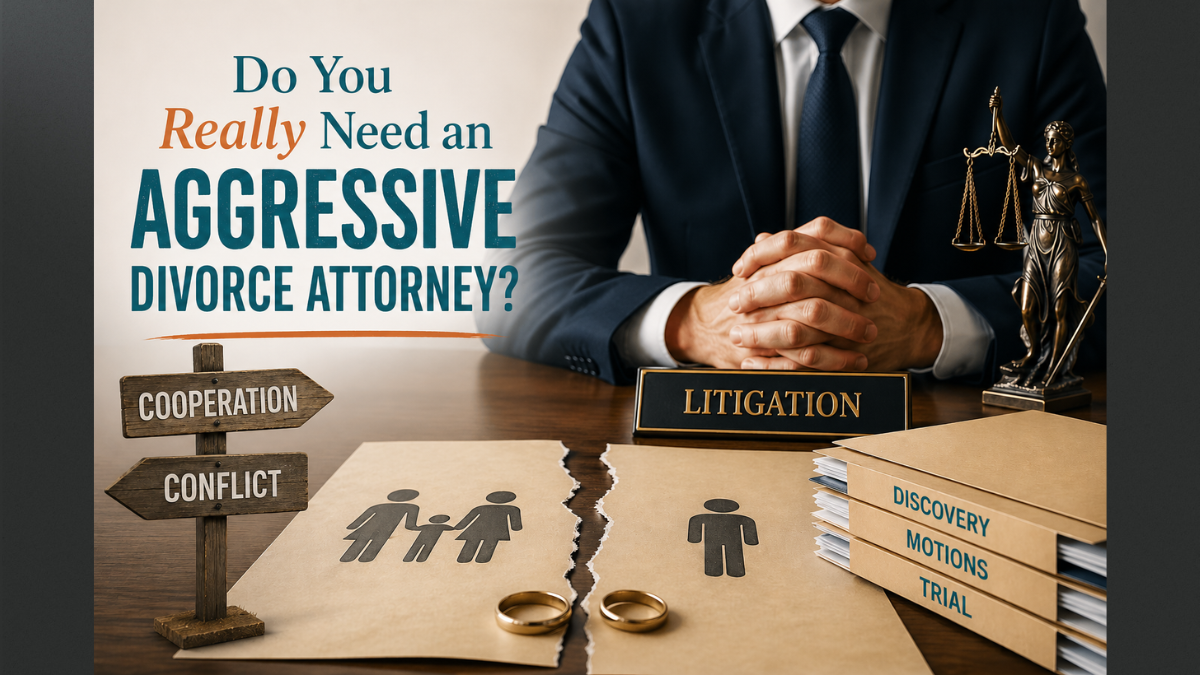
The Short Version: In a high-conflict divorce, at least one spouse, or one lawyer, treats every disagreement as a battle to be...
The Short Version: Georgia has no law that starts custody at 50/50. Under O.C.G.A. § 19-9-3 there is no prima-facie right to...
Mediation and collaborative divorce both keep your divorce out of court, but the withdrawal rule makes one of them far riskier. A Marietta family law attorney explains the differences and a third path most people have never heard of.

An amicable divorce does not mean being friends or agreeing on everything. Learn what it means, how the Amicable Divorce Process works, and when it fits.
The Short Version: Most people think divorce means a courtroom fight. It usually does not have to. Alternative dispute resolution, or ADR,...

If you are getting divorced, one of the first and most consequential decisions you will make has nothing to do with the...
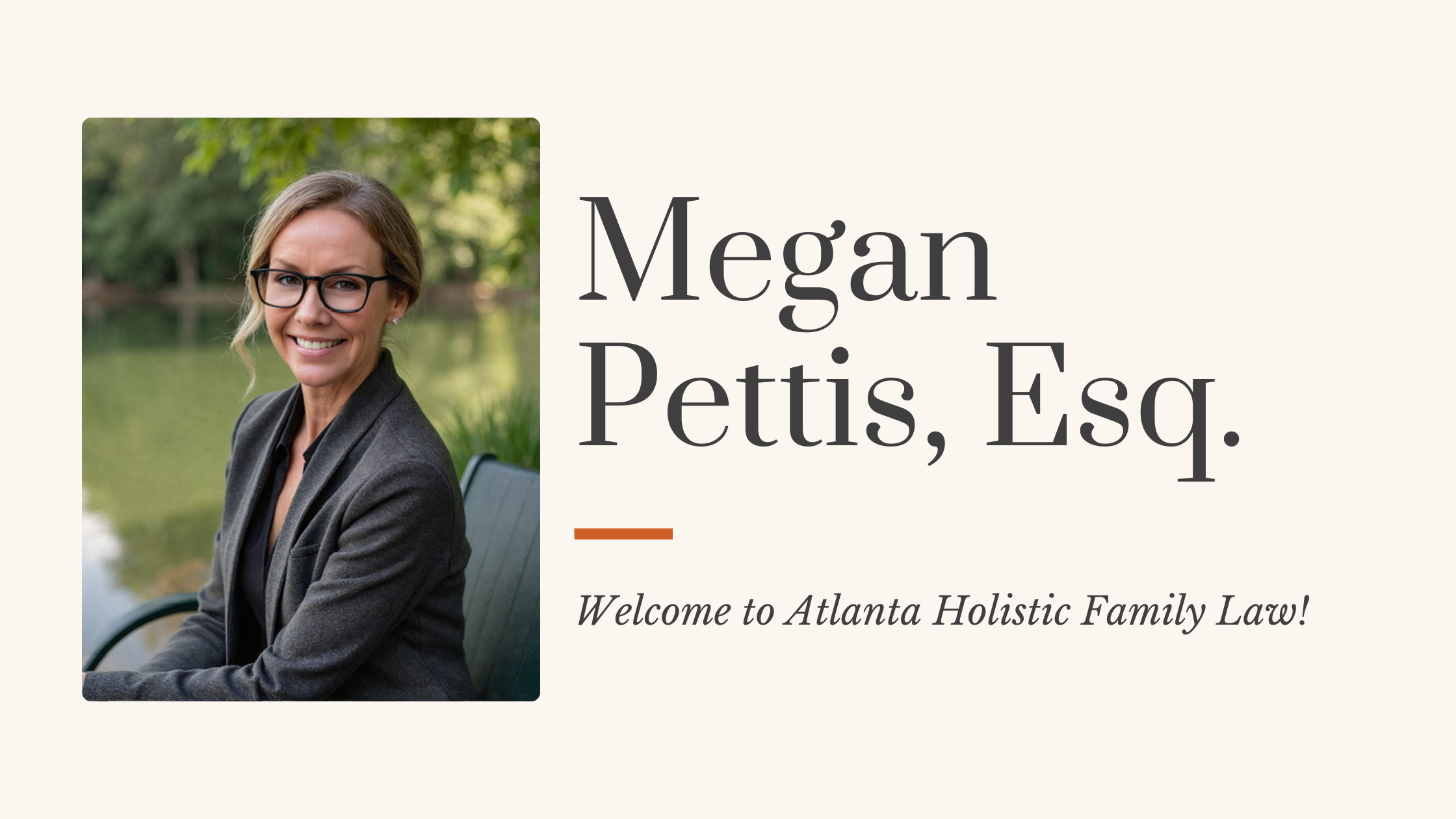
We are excited to announce that Megan Pettis, Esq. has joined our team. Megan brings a rare combination of law enforcement experience,...
Let’s talk. We’ll listen to your situation and help you take the next best step.