Ready to Redefine What Divorce Looks Like?
Let’s talk about how to move forward without the fight.
Book Your Free Call Attend Our Divorce Webinar
Author : 
Settling a divorce outside of court can save time, money, and emotional energy. While litigation is sometimes necessary, most couples benefit from exploring alternative methods like mediation or collaborative divorce first. Georgia law supports a variety of dispute resolution options that give spouses more control over outcomes and reduce courtroom stress.
Going to court for a divorce often involves more than just legal arguments. It can mean:
Last-minute document dumps from the other side
Missed family events to prepare for hearings
Early mornings and late nights for legal prep
Hours of waiting at the courthouse
Paying attorney fees for delays and rescheduling
All of this adds up quickly. Even a routine hearing can turn into a costly event if it gets rescheduled or derailed by unexpected filings. In many cases, both spouses end up paying for lawyers to sit around and wait, only for the case to be postponed.
Georgia courts recognize and encourage alternative dispute resolution (ADR). Options like divorce mediation and collaborative divorce provide a more efficient, respectful path forward. Here’s why they work:
Cost-effective: ADR generally involves fewer billable hours than courtroom litigation.
Faster resolution: You aren’t dependent on a judge’s calendar.
Less stress: The process is typically more cooperative and less combative.
More control: You and your spouse shape the outcome, not a judge.
Many couples also find that out-of-court settlements reduce the strain on their children and support long-term co-parenting relationships. This is especially important in cases involving child custody.
While avoiding court is usually ideal, some situations do require litigation. If one party refuses to cooperate, conceals assets, or poses safety concerns, a judge may need to step in. In these cases, having a strong, prepared attorney is essential.
That said, litigation should be seen as a last resort, not a default. Georgia law often requires mediation before trial anyway, which underscores the state’s emphasis on resolving disputes outside of court.
Every divorce is unique. What’s right for one family may not be right for another. Still, it’s wise to consider mediation, collaborative divorce, or even an uncontested divorce before heading to court. These approaches often lead to faster, more amicable resolutions and help families begin the next chapter with less friction.
Schedule a discovery call to learn how we can support you.

Jeanette Soltys, Esq. is the founder of Atlanta Holistic Family Law and a Certified Amicable Divorce Professional. A graduate of Wake Forest Law with nearly two decades of experience, she is a member of the Amicable Divorce Network and is a multi-year Super Lawyers honoree.
Let’s talk about how to move forward without the fight.
Book Your Free Call Attend Our Divorce Webinar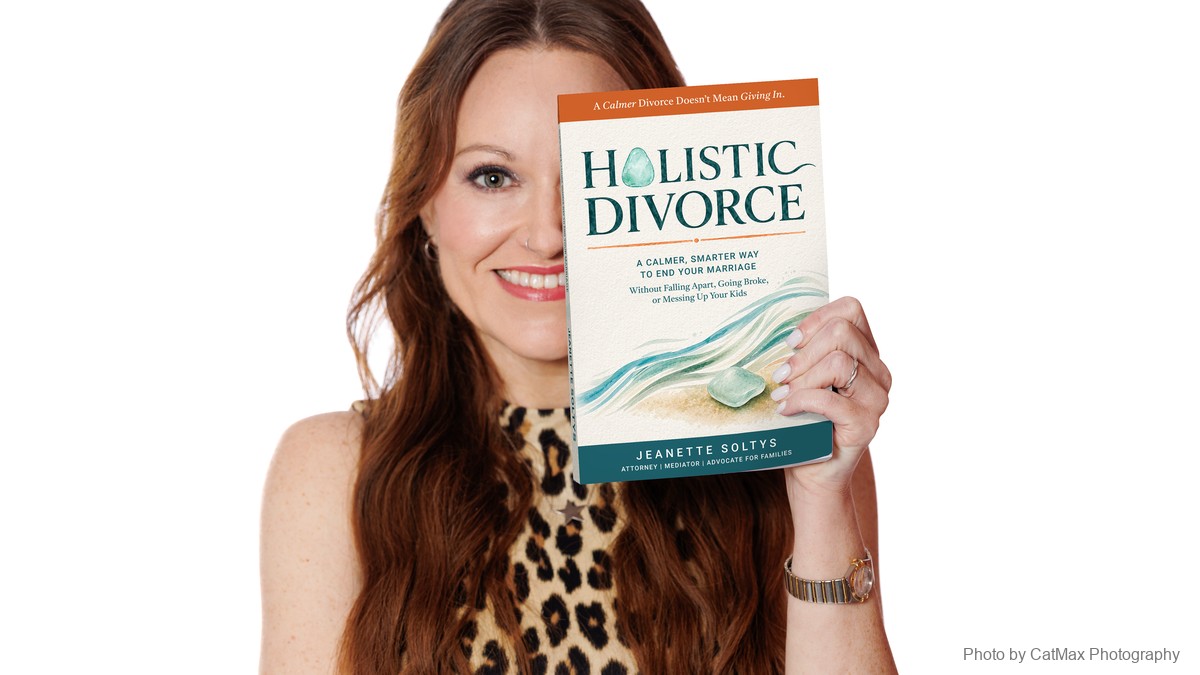
The Short Version: My book, Holistic Divorce: A Calmer, Smarter Way to End Your Marriage Without Falling Apart, Going Broke, or Messing...

The Short Version: In a high-conflict divorce, at least one spouse, or one lawyer, treats every disagreement as a battle to be...

The Short Version: Georgia has no law that starts custody at 50/50. Under O.C.G.A. § 19-9-3 there is no prima-facie right to...
Mediation and collaborative divorce both keep your divorce out of court, but the withdrawal rule makes one of them far riskier. A Marietta family law attorney explains the differences and a third path most people have never heard of.

An amicable divorce does not mean being friends or agreeing on everything. Learn what it means, how the Amicable Divorce Process works, and when it fits.
The Short Version: Most people think divorce means a courtroom fight. It usually does not have to. Alternative dispute resolution, or ADR,...

If you are getting divorced, one of the first and most consequential decisions you will make has nothing to do with the...
Let’s talk. We’ll listen to your situation and help you take the next best step.